

Please check back with us for the latest news, announcements, and updates at Park Allergy Center!
Deaths Following MMR and MMRV Vaccination in the United States
Kirstin Cosgrove, BM, CCRA, Breanne Craven, MSPAS, PA-C, Claire Rogers, MSPAS, PA-C, John A. Catanzaro, ND, PhD, Albert Benevides, M. Nathaniel Mead, MSc, PhD, Mila Radetich, Peter A. McCullough, MD MPH, Nicolas Hulscher, MPH. Published February 16, 2026.
There have been a total of 536 global death reports following MMR/MMRV vaccination since the inception of VAERS through August 29, 2025.
299 of these deaths occurred in the U.S.
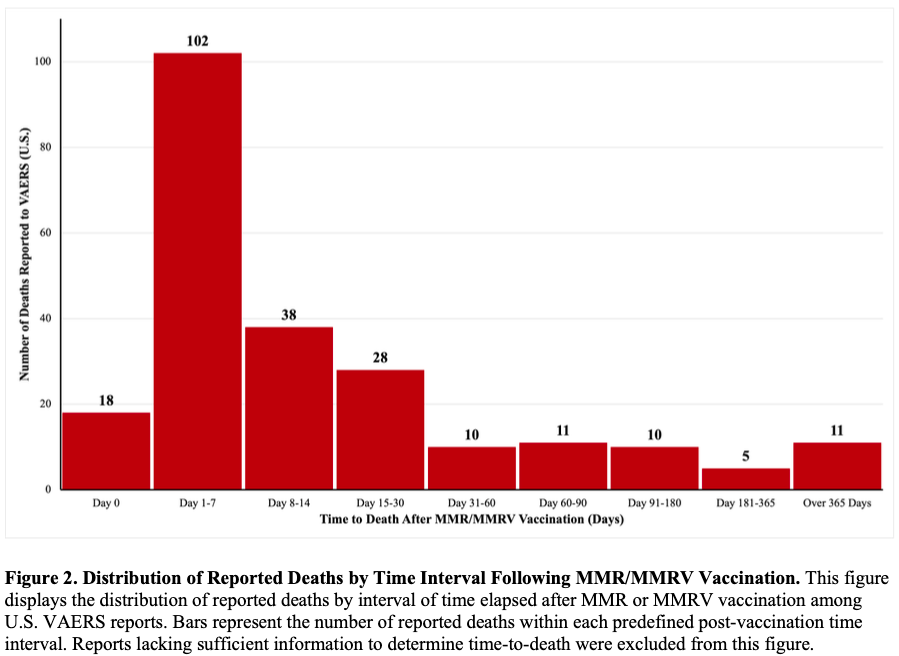
Since 1995 there have been 193 MMR/MMRV death reports with identifiable dates in the U.S.
156 deaths occurred between 1-1.5 years of age.
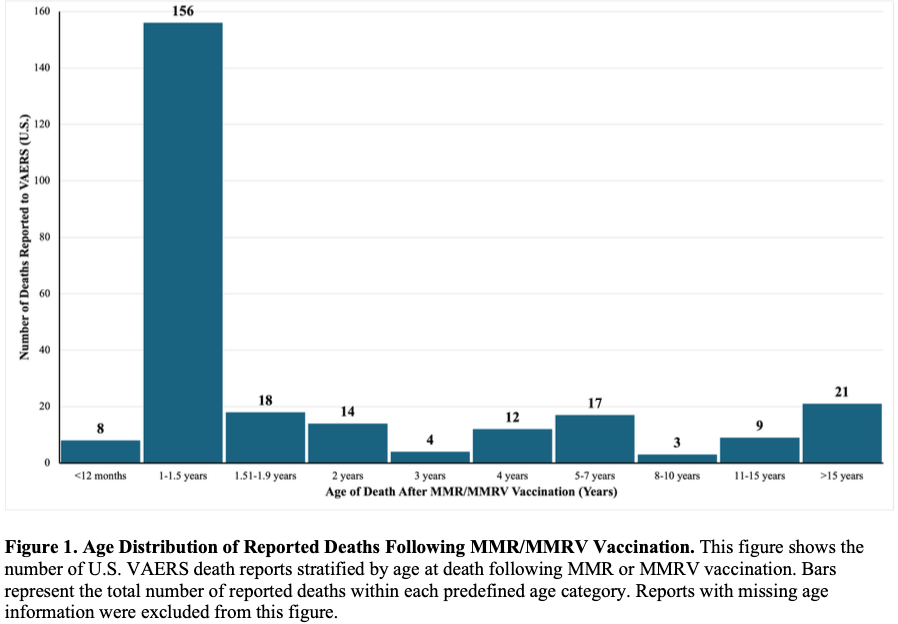
Over half, 158 deaths, occurred within the first 14 days.
In that same time period, there have been 7 measles infection-associated deaths in the U.S.
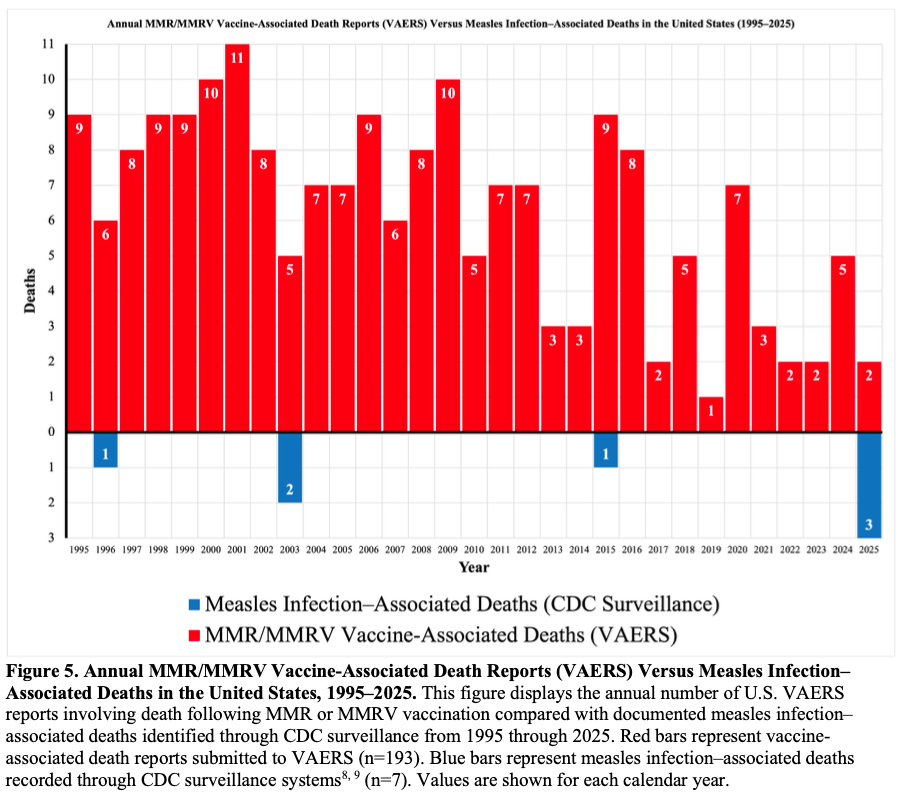
As a side note, it should be noted that of the three deaths in 2025, two of them were due to bacterial pneumonia combined with inappropriate antibiotic therapy. Pneumonia is the most common cause of death in pediatric cases of measles. Garly et al demonstrated that in appropriately selected cases, early antibiotics resulted in a 92% reduction of development of pneumonia.
Thus, since 1995 MMR/MMRV vaccines are linked to 2,657% more U.S. deaths than the infection itself.
Big Pharma has done a great job making everyone fearful of the measles. However, the above data clearly shows what we really should be afraid of are their vaccines.
Here is a clip from an episode of the Brady Bunch which depicts what the measles were really like just a few decades ago.
Vaccination and Neurodevelopmental Disorders: A Study of Nine-Year-Old Children Enrolled in Medicaid
Using the Florida State Medicaid program data, this study analyzed 9 year old children that were vaccinated (42,032) compared to 9 year old children that were not vaccinated (5,123) and focused on neurodevelopment disorders (autism spectrum disorder, ADHD, seizures, brain dysfunction, tis disorders, learning disorders).
Overall, vaccinated children were 212% more likely to be diagnosed with at least one neurodevelopment disorder
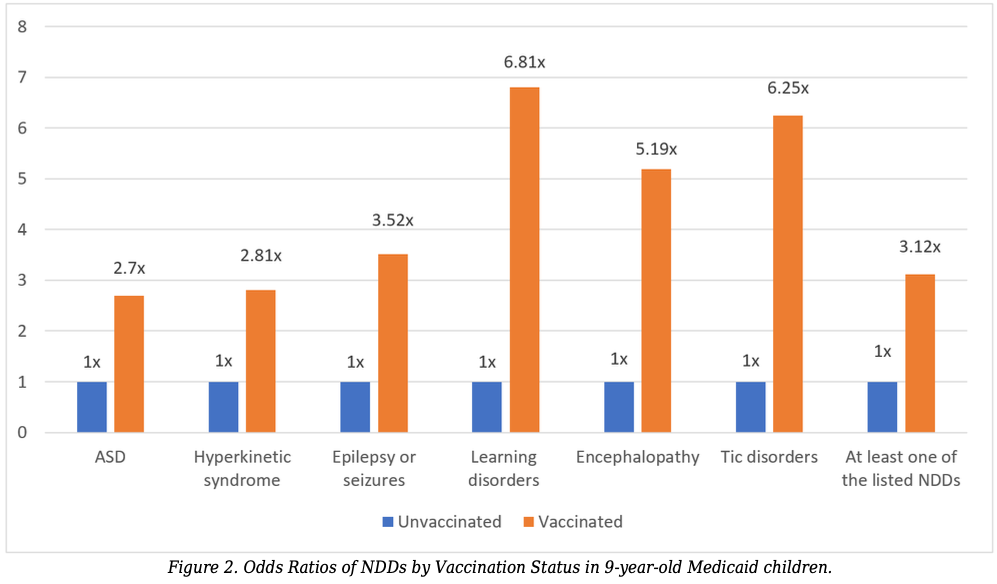
In Full-Term Children, the vaccinated group had higher odds for the following:
Autism Spectrum Disorder: 170% higher odds (OR 2.70)
Hyperkinetic Syndrome (ADHD-like): 150% higher odds (OR 2.50)
Seizures: 180% higher odds (OR 2.80)
Learning Disorders: 312% higher odds (OR 4.12)
Brain Dysfunction: 420% higher odds (OR 5.20)
Tic Disorders: 530% higher odds (OR 6.30)
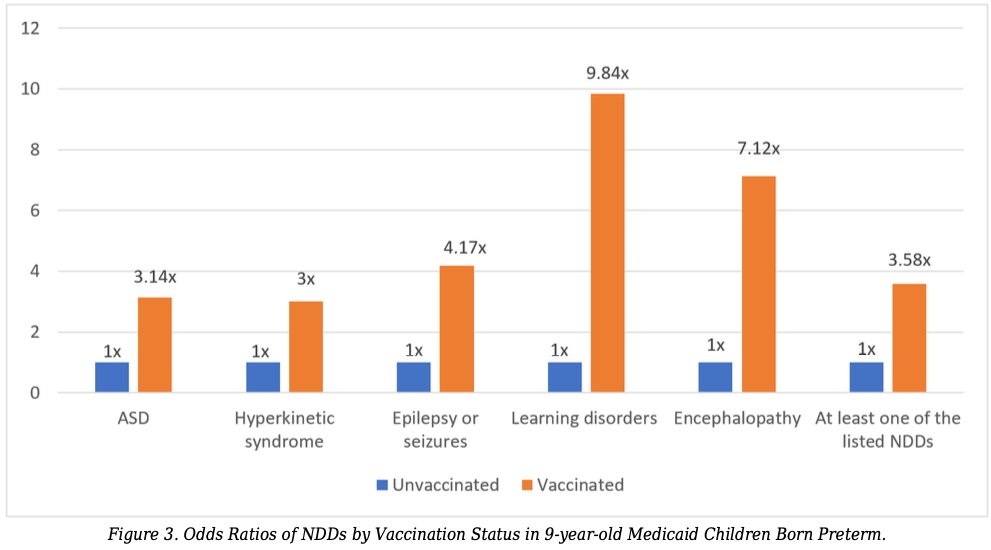
In Preterm Children, the vaccinated group had higher odds for the following:
Autism Spectrum Disorder: 214% higher odds (OR 3.14)
Hyperkinetic Disorder (ADHD-like): 200% higher odds (OR 3.00)
Seizures: 317% higher odds (OR 4.17)
Learning Disorders: 884% higher odds (OR 9.84)
Brain Dysfunction: 612% higher odds (OR 7.12)
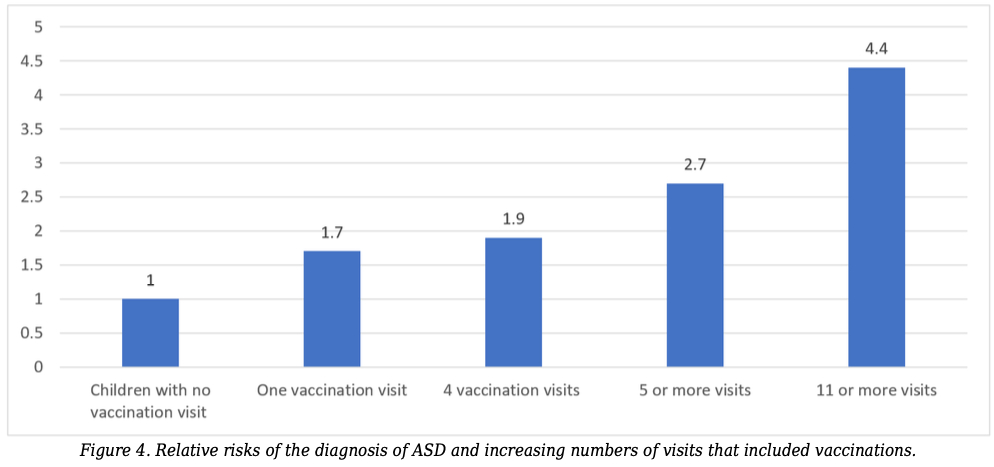
More Vaccination Visits Increased the Risk of Autism
1 Vaccination Visit v. Zero: 70% higher risk (RR 1.7)
1-4 Vaccination Visits v. Zero: 90% higher risk (RR 1.9)
5 or more Vaccination Visits v. Zero: 170% higher risk (RR 2.7)
11 or more Vaccination Visits v. Zero: 340% higher risk (RR 4.4)
11 or more Vaccination Visits v. ONE Visit: 180% higher risk (RR 2.8)
Almost all of the infant vaccinations were released without proper saline-placebo controlled studies to verify safety. Add to that, the mounting number of studies like this one that show strong links to multiple chronic diseases. Big Pharma has been at this game a long time. They need to be stopped. They need to be held accountable.
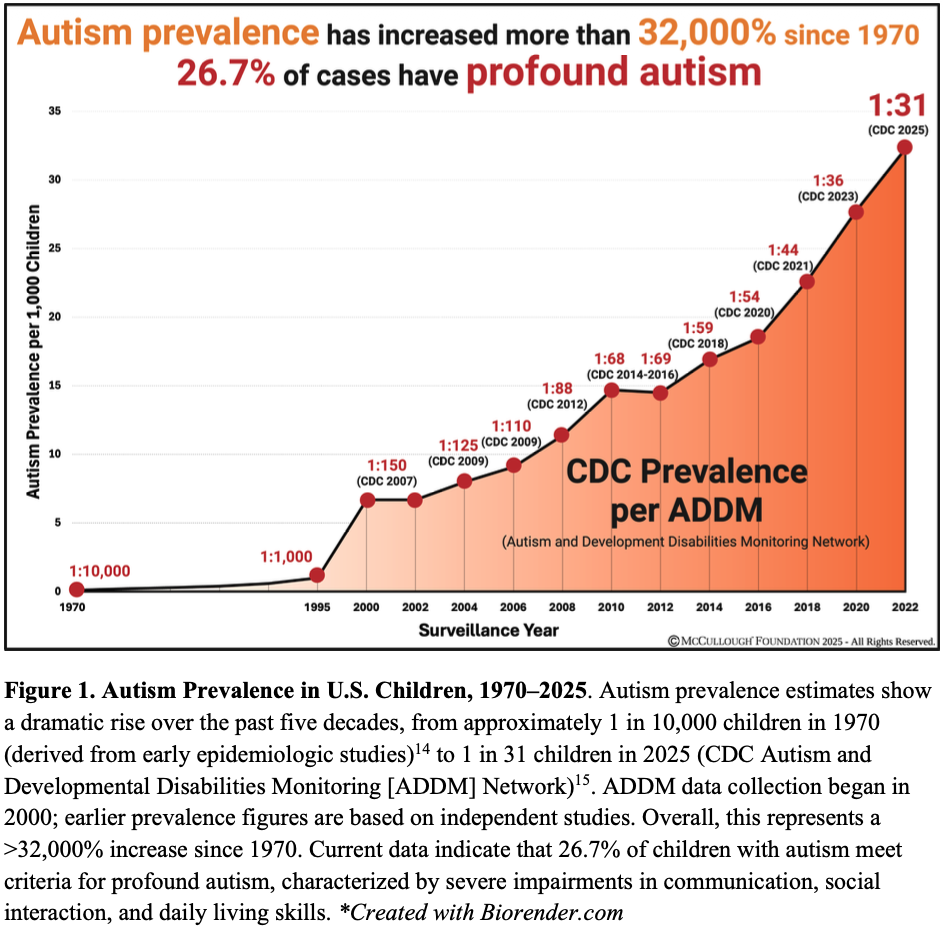
In their groundbreaking study, Determinants of Autism Spectrum Disorder, The McCullough Foundation offers this comprehensive review of risk factors and potential causes of Autism.
https://zenodo.org/records/17451259
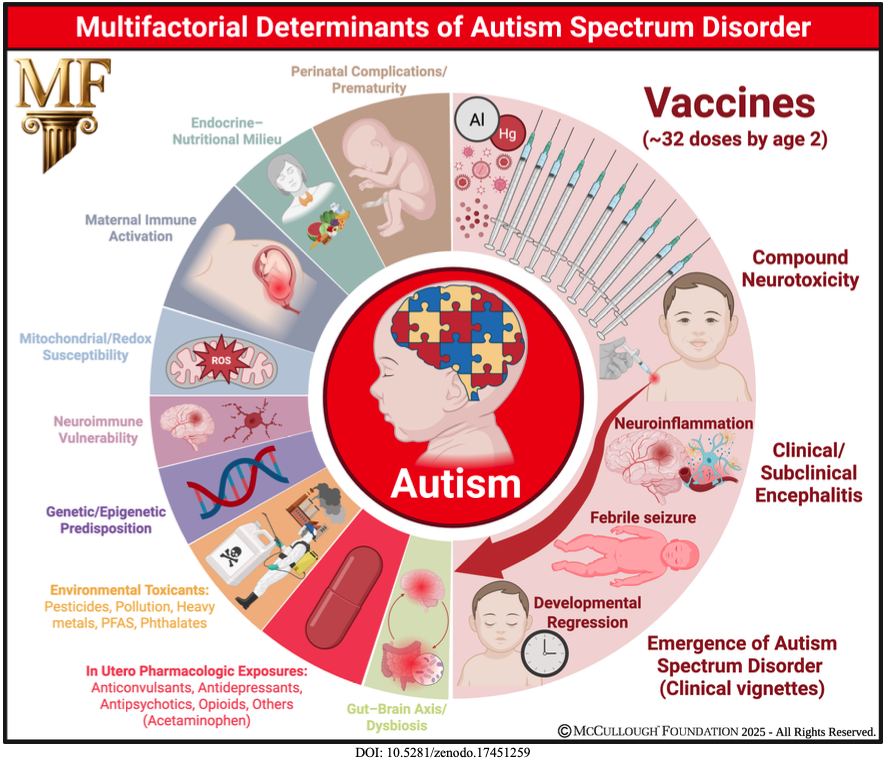
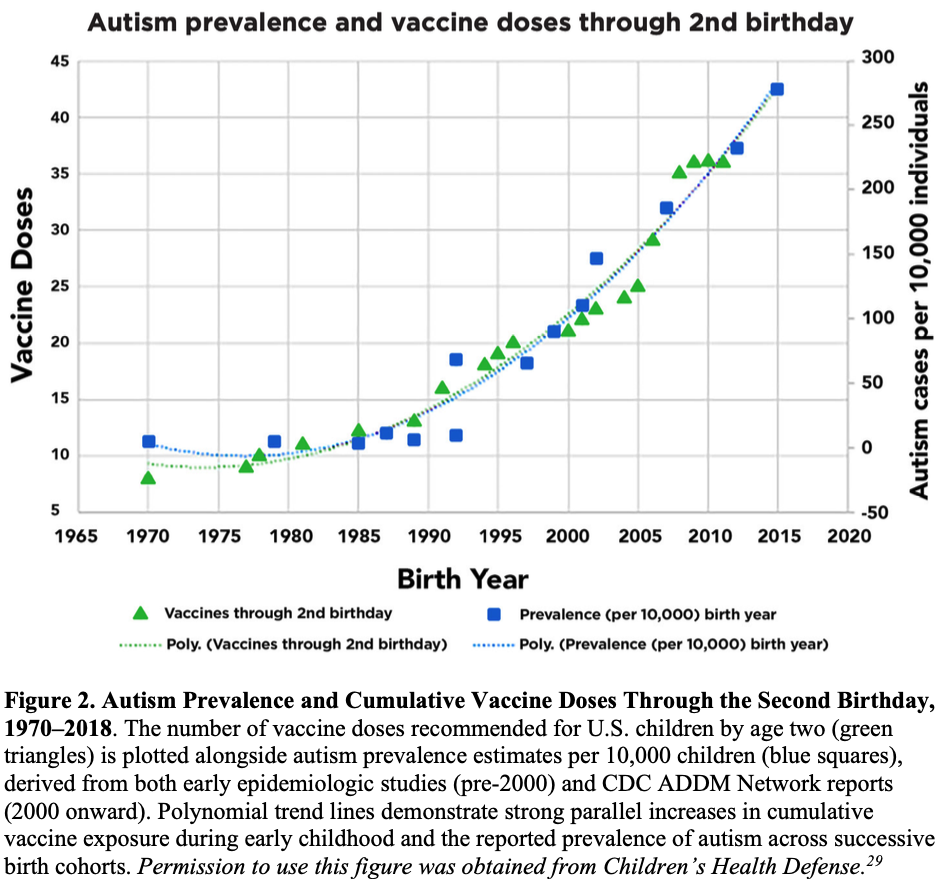
CONCLUSION: “Combination and early-timed routine childhood vaccination constitutes the most significant modifiable risk factor for ASD, supported by convergent mechanistic, clinical, and epidemiologic findings, and characterized by intensified use, the clustering of multiple doses during critical neurodevelopmental windows, and the lack of research on the cumulative safety of the full pediatric schedule.”